Evaluating the Value of a Cute Cartoon Red Panda Illustration for Your Projects
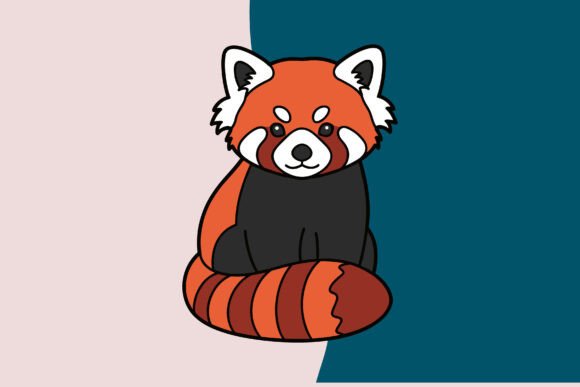
In the realm of digital assets and graphic design, selecting the right visual style is often as critical as the subject matter itself. A Cute Cartoon Red Panda Illustration represents more than just an image of an animal; it is a specific stylistic choice that balances charm with clarity. This type of illustration typically features a red panda sitting upright, rendered with simplified forms, bold outlines, and vibrant colors. For adults managing educational initiatives, publishing children's books, or designing decorative merchandise, understanding the nuances of this specific asset can streamline the creative process and ensure the final product resonates with its intended audience.
Defining the Distinctive Style
The appeal of a Cute Cartoon Red Panda Illustration lies in its deliberate simplification. Unlike photorealistic renderings or complex digital paintings, this style prioritizes immediate recognition and emotional connection. The red panda is depicted with a friendly expression and a distinctive striped tail, elements that are exaggerated slightly to enhance cuteness without losing the animal's identity. The use of bold outlines serves a functional purpose: it separates the figure from various backgrounds, ensuring legibility even at smaller scales or when printed on textured materials.
This stylized approach makes the illustration particularly versatile. The vibrant color palette captures attention, while the cartoonish design lowers the barrier to entry for younger audiences. In educational contexts, where cognitive load must be managed carefully, such clear, uncluttered visuals help convey information effectively. The upright posture of the panda adds a human-like quality, fostering a sense of engagement that static, naturalistic poses might not achieve. When evaluating this asset, it is essential to recognize that the "cartoon" label does not imply low quality; rather, it indicates a strategic reduction of detail to maximize communicative impact.
Comparing Vector and Raster Formats
A significant factor in choosing a Cute Cartoon Red Panda Illustration is the availability of multiple file formats. High-quality asset packages often include EPS, SVG, PDF, JPG, PNG, and DXF files. Each format serves a distinct purpose, and understanding these differences is crucial for making an informed decision based on your project requirements.
- Vector Formats (EPS, SVG, DXF): These are ideal for projects requiring scalability. An SVG file allows the illustration to be resized infinitely without losing resolution, making it perfect for web graphics, large banners, or embroidery designs. The DXF format is specifically valuable for laser cutting or CNC machining, allowing the design to be translated into physical objects like wooden toys or acrylic signage.
- Raster Formats (JPG, PNG): These are best suited for fixed-size applications. A PNG file supports transparency, which is essential for overlaying the red panda on complex backgrounds in social media posts or website headers. JPG files are generally used for print layouts where background transparency is not required and file size needs to be minimized.
- PDF Files: Often serve as a universal container for both vector and raster data, making them convenient for sharing proofs with printers or clients who may not have specialized design software.
When comparing this multi-format package to single-format alternatives, the versatility becomes a primary advantage. Many stock image sites offer only raster versions, which limits their utility for large-scale printing or manufacturing. By securing a package that includes both vector and raster options, you future-proof your investment, ensuring the asset remains useful across various stages of production.
Weighing Alternatives and Tradeoffs
While a Cute Cartoon Red Panda Illustration offers specific benefits, it is not the optimal choice for every scenario. It is important to weigh this option against other artistic styles and sourcing methods to determine the best fit for your specific goals.
Cartoon vs. Photorealism
If your project aims to document wildlife biology or create a serious documentary-style presentation, a photorealistic image would be superior. Realism conveys authority and scientific accuracy, whereas the cartoon style conveys playfulness and approachability. The tradeoff here is between factual precision and emotional engagement. For children's books or educational materials aimed at sparking interest rather than providing rigorous data, the cartoon style wins. However, if the context demands a sense of authenticity regarding the animal's habitat or behavior, the stylized nature of the red panda illustration might undermine the message.
Pre-made Assets vs. Custom Commission
Another comparison involves the source of the illustration. Purchasing a pre-made Cute Cartoon Red Panda Illustration is cost-effective and immediate. It allows for rapid deployment in marketing campaigns or classroom materials. Conversely, commissioning a custom illustration offers total control over every detail, from the exact shade of red to the specific angle of the tail. The tradeoff is time and budget. Custom work can take weeks and cost significantly more. For most general purposes—such as decorating a nursery, creating a lesson plan, or launching a small batch of merchandise—the pre-made asset provides sufficient quality and flexibility without the overhead of a full commission.
Generic Clip Art vs. Stylized Illustrations
It is also worth distinguishing this asset from generic clip art. Older clip art often suffers from flat shading, inconsistent line weights, and dated aesthetics. A modern Cute Cartoon Red Panda Illustration typically employs better color theory, smoother curves, and a cohesive design language that aligns with contemporary trends. While clip art is often free, the lack of professional polish can detract from the perceived value of your project. Investing in a high-quality, stylized illustration ensures that the visual component elevates the overall brand or educational material rather than diminishing it.
Decision Factors for Implementation
Determining whether this specific illustration is the right choice requires analyzing your project's end goals, target demographic, and technical constraints.
Best-Fit Situations
This asset is ideally suited for scenarios where engagement and simplicity are paramount. If you are designing flashcards for early childhood education, the bold outlines and friendly face of the red panda will hold a child's attention. Similarly, for decorative purposes such as t-shirts, mugs, or wall decals, the clean lines of the vector format ensure crisp reproduction. The upright posture and expressive nature of the character make it excellent for mascots or branding elements where a personality needs to be projected quickly.
Limitations and Constraints
However, there are limitations. Because the design is stylized, it lacks the textural details found in fur, eyes, or environment that might be necessary for high-end editorial work. Additionally, while the included formats cover many bases, extremely niche manufacturing processes might require specific file adjustments that go beyond standard conversions. If your project relies heavily on realistic lighting or environmental interaction, this isolated character might feel disconnected without additional compositing work.
Evaluating Long-Term Utility
When considering long-term utility, the inclusion of editable vector formats (EPS, SVG) is a decisive factor. Trends change, and project scopes evolve. Having access to the raw vector data allows designers to tweak colors to match new brand guidelines or resize the image for unexpected applications. A raster-only alternative would become obsolete if the project requirements shift toward large-format printing. Therefore, the presence of a comprehensive file suite significantly increases the return on investment for this type of illustration.
Practical Application Examples
To illustrate the practical application, consider a teacher creating a unit on endangered species. Using a Cute Cartoon Red Panda Illustration allows them to create engaging worksheets where students can color the animal or match it to its habitat. The friendly expression reduces the fear factor often associated with wild animals, making the topic accessible. Alternatively, a small business owner selling eco-friendly products could use the SVG version to laser-cut wooden keychains featuring the red panda, leveraging the DXF file for precision cutting. In both cases, the versatility of the file formats and the appropriateness of the style directly contribute to the success of the initiative.
Ultimately, the decision to use a Cute Cartoon Red Panda Illustration should rest on how well it aligns with your communication objectives. It is a tool designed for clarity, charm, and versatility. By carefully evaluating the available formats, comparing them against the needs of your specific project, and understanding the stylistic tradeoffs, you can ensure that this asset serves as a powerful element in your creative workflow rather than just another image in a library.